Furnace Repair
Furnace repair focuses specifically on the furnace itself — the heart of most Denver homes' winter heating. When a furnace isn't firing, isn't heating evenly, or has stopped altogether, a repair visit diagnoses the component at fault and explains the fix.
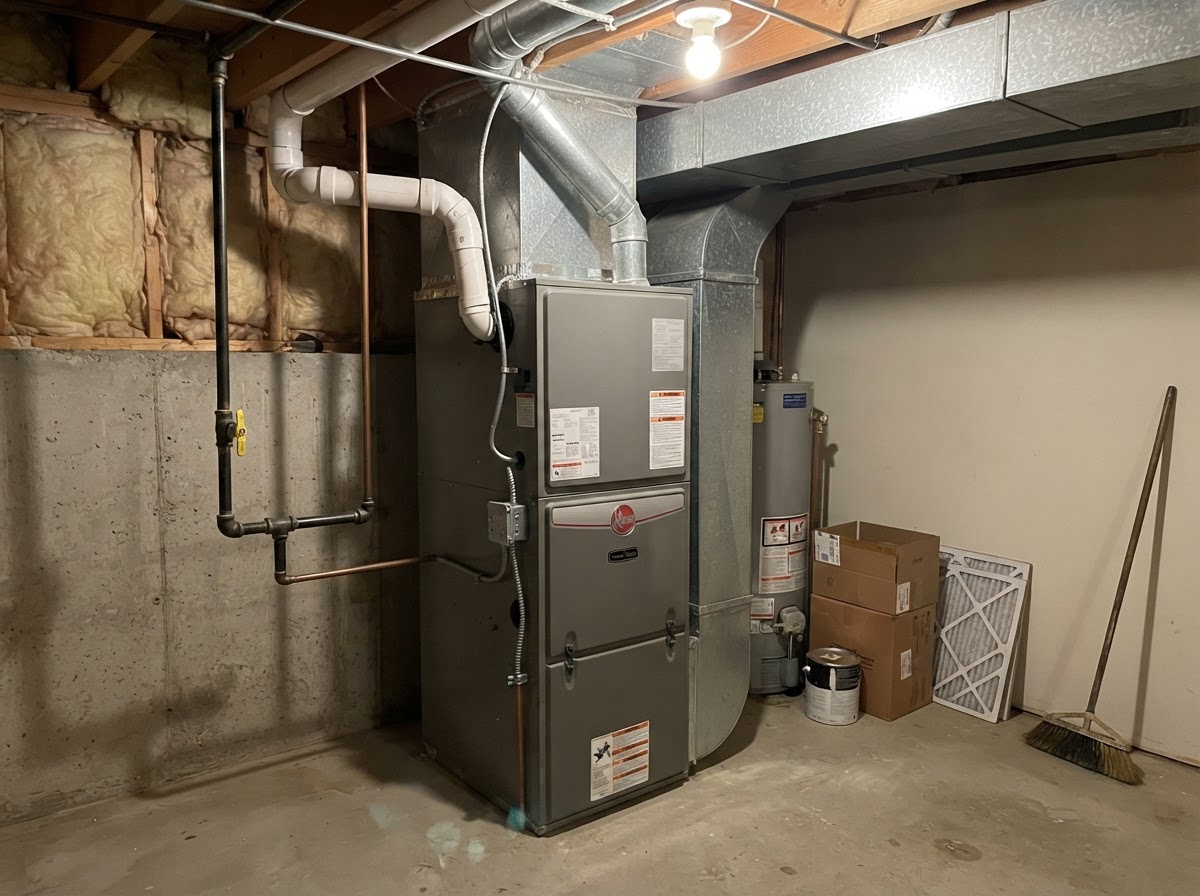
Common reasons you may need furnace repair
- The furnace won't ignite or the burners won't stay lit.
- Warm air that never quite gets warm.
- A blower that runs constantly or not at all.
- Frequent tripping of the high-limit or rollout safety switches.
- A cracked or aging heat exchanger suspected during a prior visit.
Things to consider
- The furnace's age and overall service history.
- Whether the problem is intermittent or consistent.
- Any recent repairs or parts that have been replaced.
- The cost of the repair compared to the furnace's remaining life.
What's Involved
Typical furnace repair tasks
A visit is tailored to your home and equipment. These are the kinds of tasks afurnace repair visit typically involves.
- 1Inspecting the burners, flame sensor, and ignition.
- 2Checking the heat exchanger and venting.
- 3Testing the blower motor and limit controls.
- 4Reviewing the recommended repair and options.
Equipment & system information
A gas furnace heats air in a heat exchanger and a blower moves it through the ducts. Because the heat exchanger keeps combustion gases separate from the air you breathe, its condition is one of the most important things a furnace repair evaluates.
For your safety, please don't attempt electrical, gas, or refrigerant repairs yourself. A professional visit is the right way to address these issues.
FAQs
Furnace Repair questions
What is a flame sensor and why does it matter?
A flame sensor confirms that the burner actually lit. If it's dirty or failing, the furnace may shut the gas off as a safety measure. Cleaning or replacing it is a common furnace repair.
How do I know if my heat exchanger is cracked?
A cracked heat exchanger is a safety concern that's usually found during a diagnostic or maintenance visit, not something a homeowner can safely check. If you suspect one, turn the furnace off and request a professional inspection.
Related services
Request furnace repair
Tell us what's going on with your home and we'll help you figure out the next step.