HVAC Repair
When a heating or cooling system in your Denver home stops performing the way it should, a focused HVAC repair visit is meant to get it back to reliable operation. We approach repair work as a careful diagnostic process: understand what the system is doing, identify the likely cause, and explain the repair options before any work begins.
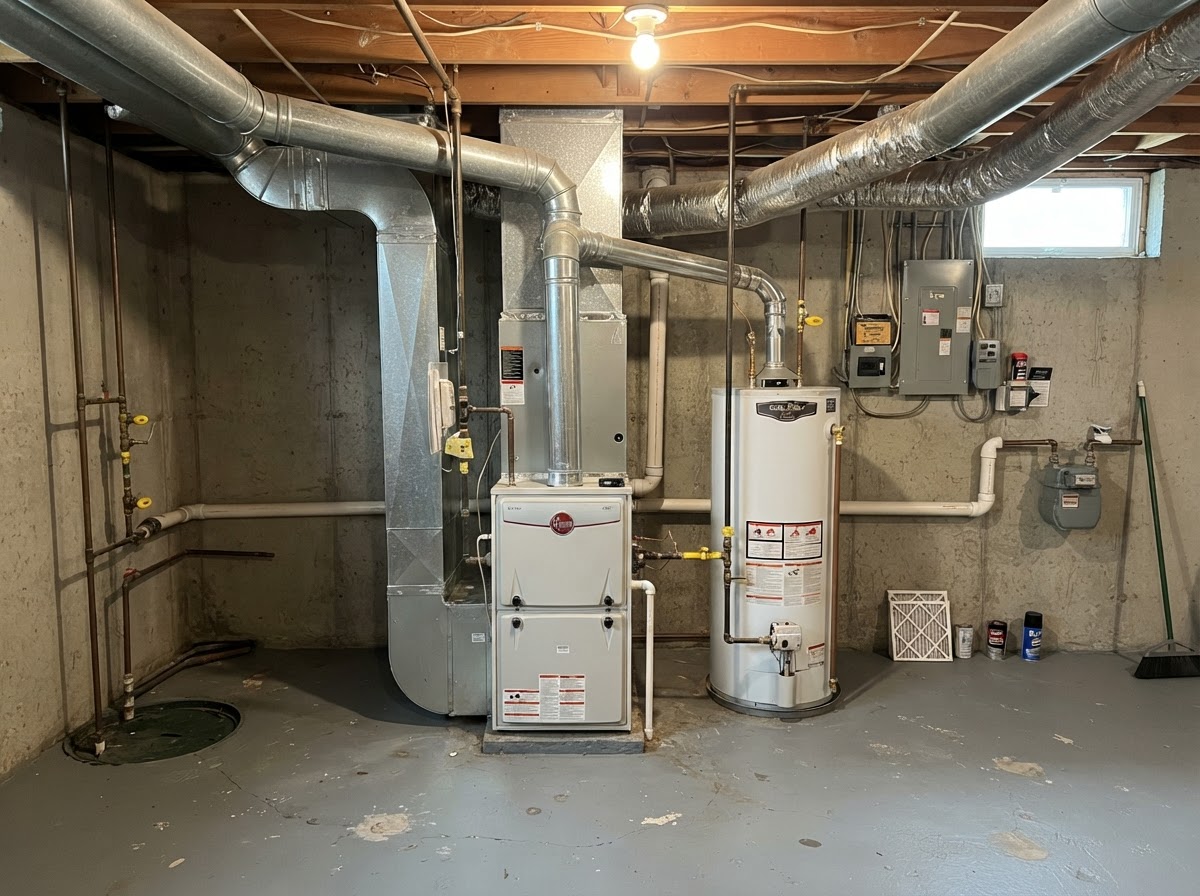
Common reasons you may need hvac repair
- An indoor unit that runs but no longer heats or cools effectively.
- Short cycling, where the system turns on and off more often than usual.
- Unusual sounds, vibrations, or odors during operation.
- Uneven temperatures between rooms or levels of the home.
- A system that has stopped responding to the thermostat.
Things to consider
- The age and overall condition of the existing equipment.
- Whether the issue is isolated to one component or affects the whole system.
- Recent service history and any recurring problems.
- How the repair cost compares to the value of the equipment.
What's Involved
Typical hvac repair tasks
A visit is tailored to your home and equipment. These are the kinds of tasks ahvac repair visit typically involves.
- 1Listening to how the system is described and what changed.
- 2Inspecting the indoor and outdoor components.
- 3Checking airflow, thermostat behavior, and electrical connections.
- 4Reviewing findings and explaining the recommended repair.
Equipment & system information
Most residential HVAC systems pair an outdoor condenser or heat pump with an indoor air handler or furnace, connected by refrigerant lines, ductwork, and a thermostat. A repair visit usually focuses on the component where the symptom originates.
For your safety, please don't attempt electrical, gas, or refrigerant repairs yourself. A professional visit is the right way to address these issues.
FAQs
HVAC Repair questions
How do I know if I need a repair instead of a replacement?
It often comes down to the age of the equipment, the cost of the repair relative to the system's remaining value, and how often problems recur. A diagnostic visit is the first step to understanding which option makes sense for your home.
What information helps a repair visit go smoothly?
Notes on when the problem started, any sounds or smells you noticed, recent thermostat settings, and whether the issue affects heating, cooling, or both can all help the technician narrow down the cause faster.
Related services
Request hvac repair
Tell us what's going on with your home and we'll help you figure out the next step.